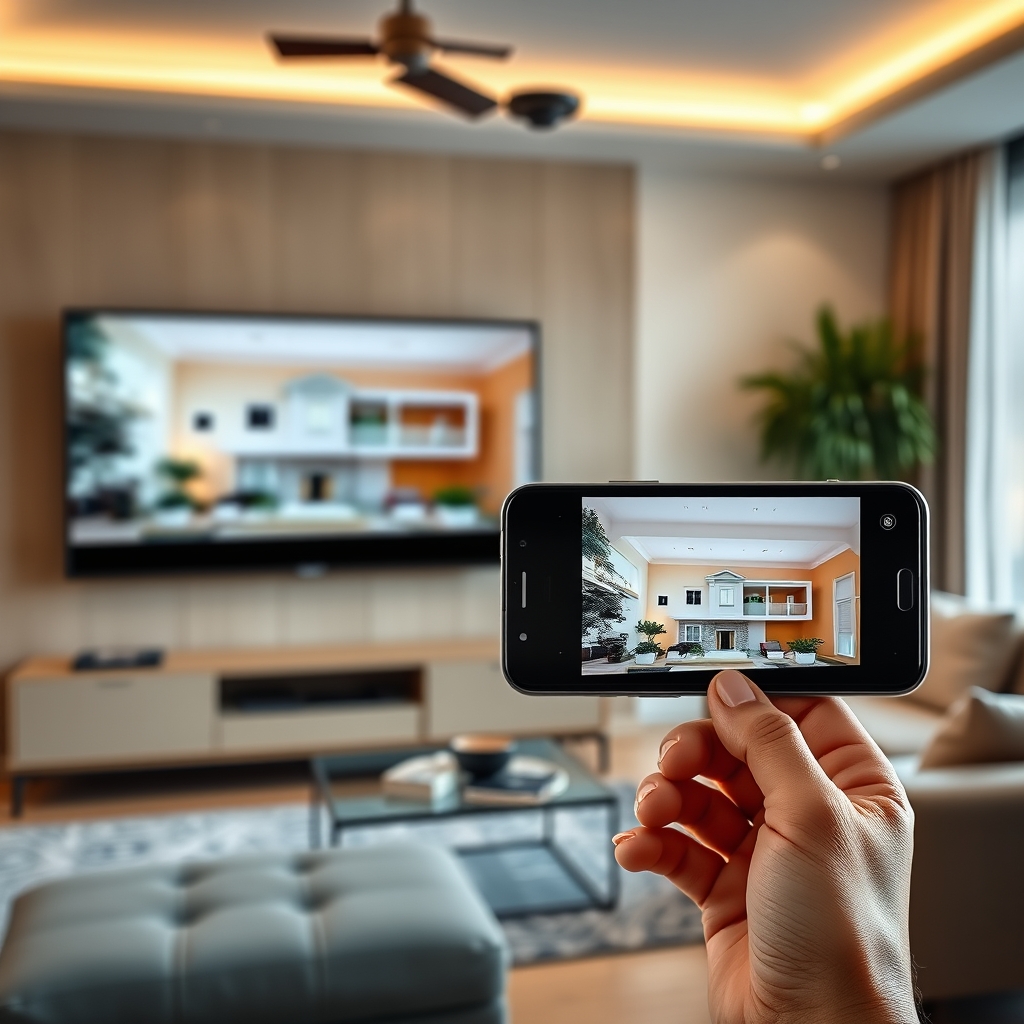
The Format Dilemma: Vertical vs Horizontal
Real estate video editing traditionally followed broadcast and cinematic standards: horizontal 16:9. But the explosion of mobile-first platforms like TikTok, Instagram Reels, and YouTube Shorts has forced real estate videographers to rethink their deliverables. A single property tour now often needs multiple cuts in different aspect ratios.
Horizontal (16:9) – The Classic Choice
Horizontal video remains the standard for high-production property tours. It offers a wider field of view, allowing you to capture more of the room, architectural details, and natural light. It’s ideal for websites, YouTube, and presentations where viewers watch on larger screens.
- Pros: Immersive wide-angle shots that showcase entire rooms; familiar cinematic feel that builds trust with high-end clients; easier to frame during shooting – no need to worry about vertical crop.
- Cons: Less optimized for mobile feeds, where most social media consumption happens; may require viewers to rotate their phones or watch with black bars; lower engagement rates on TikTok and Instagram Reels.
Vertical (9:16) – The Mobile Powerhouse
Vertical video has taken over social media. Platforms like Instagram Reels, TikTok, and YouTube Shorts are designed for full-screen vertical viewing. For a property tour, vertical video feels more intimate and immediate – as if the viewer is walking through the home on their phone.
- Pros: Maximizes screen real estate on smartphones; higher engagement rates on mobile-first platforms; native to Stories and Reels, where real estate agents are most active.
- Cons: Crops out peripheral details – you may miss wide rooms or exterior shots; requires careful framing during shooting or reframing in post-production; less suitable for traditional websites or TV displays.
Which Format Wins for Social Media?
The short answer: vertical wins for social media. According to a study by HubSpot, vertical videos have a 90% higher completion rate compared to horizontal videos on mobile. For real estate marketing, that means more potential buyers actually watch the entire property tour instead of scrolling past.
“We used to deliver everything in 16:9, but once we started posting vertical cuts on Instagram Reels, our client’s engagement tripled. Now every shoot includes both formats.” – Sarah M., Real Estate Videographer
However, that doesn’t mean horizontal is dead. Many real estate agents still want a polished horizontal version for their website, YouTube channel, or email campaigns. The winning strategy is a hybrid approach: shoot in high resolution horizontal (4K or higher) and deliver both formats, or use a video editing partner to create vertical crops from the same footage.
How to Master Both Formats Without Losing Your Mind
Creating two versions of every property tour doubles your editing workload. That’s where outsourced video editing comes in. A professional video post-production team can take your raw footage and deliver optimized cuts for every platform.
Tips for Shooting for Dual Formats
- Shoot in 4K or higher resolution to allow for cropping without quality loss
- Frame wide shots with headroom and side space to accommodate vertical crop
- Use a gimbal or stabilizer for smooth movement in both orientations
- Capture key features like kitchens and master baths in both wide and tight shots
The Role of an Outsourced Video Editing Partner
A dedicated video editing partner like Hoang Editor can handle format conversion, reframing, color grading, and even platform-specific packaging. This frees up your production team to focus on shooting more properties and building client relationships.
The battle between vertical and horizontal isn’t about “either/or” – it’s about using the right format for the right platform. By shooting smart and leveraging outsourced video editing, you can deliver a complete package that maximizes impact on social media while still impressing on traditional channels.
Ready to scale your video business?
We edit real estate videos so you can focus on shooting.
Start a Project →