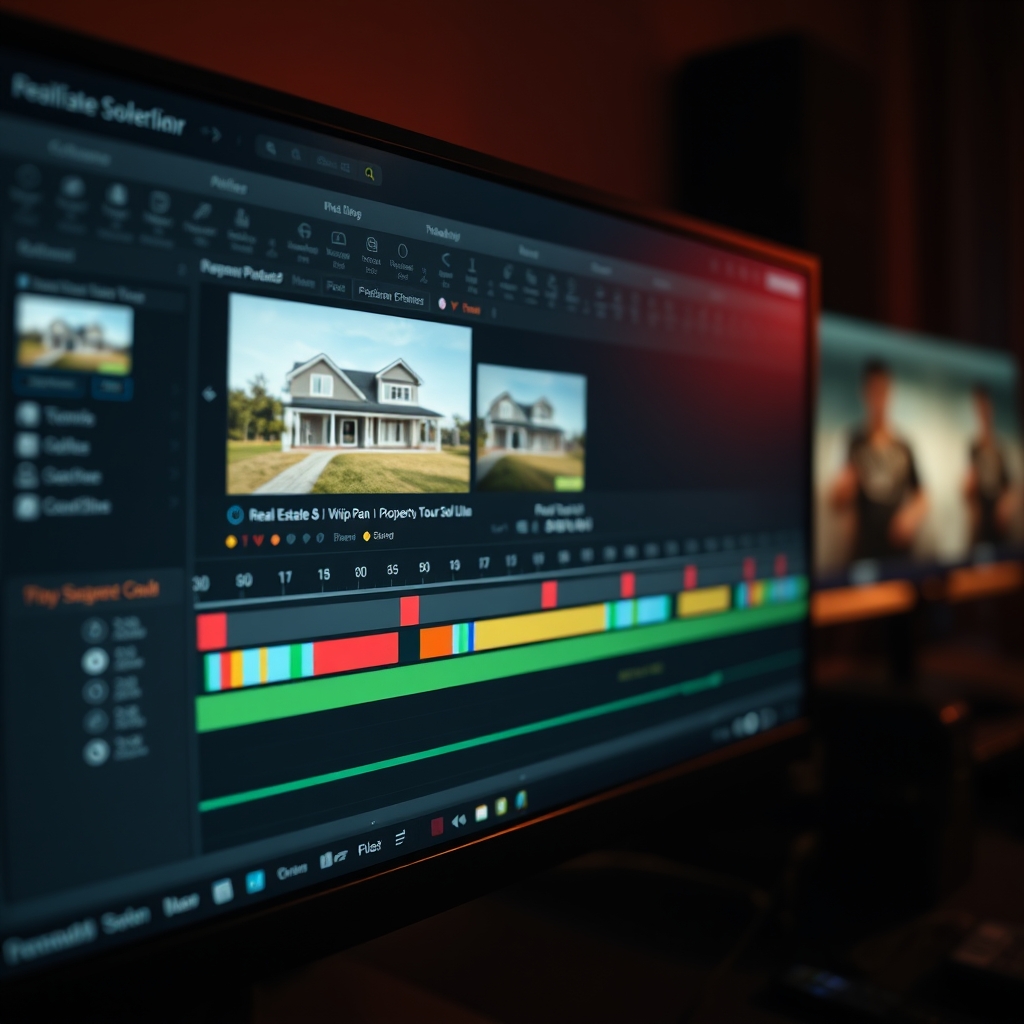
In real estate video editing, the right transition can make a property tour feel seamless and cinematic. The wrong one can make it feel like a cheap slideshow. As a real estate videographer, your goal is to guide viewers through a space without pulling them out of the experience.
But with so many options in your editing software, how do you choose? This guide covers the best transitions for real estate walkthroughs and the three you should avoid at all costs. Whether you handle video post-production in-house or work with an outsourced video editing team, these tips will elevate your next property tour.
Why Transitions Matter in Property Tours
A property tour is more than just a sequence of rooms. It's a story that flows from the front door to the backyard. Transitions are the punctuation marks of that story. A smooth dissolve suggests continuity; a jarring flip suggests chaos. Professional real estate video editing uses transitions to maintain spatial awareness, hide cuts on camera movement, and keep the pacing steady.
If you're a production team scaling your output, consistency in transitions is key. A reliable video editing partner will apply the same cinematic language across all your projects.
The Best Transitions for Real Estate Walkthroughs
Here are four transitions that work beautifully in real estate walkthroughs when used with purpose.
1. Cross Dissolve (or Dip to Black)
The cross dissolve is a classic for a reason. It softens the cut between two shots, making it ideal for moving from wide establishing shots to tighter detail shots. In real estate video editing, a quick 6-12 frame dissolve feels natural and never distracts. A dip to black can signal a change in scene or a pause, but use it sparingly—too many fades to black can make the video feel choppy.
2. Match Cut on Movement
A match cut hides the edit by aligning similar motion or framing across two clips. For example, a pan from left to right in the living room matches a pan from left to right in the kitchen. The viewer's eye follows the motion, and the cut goes unnoticed. This is a hallmark of high-end video post-production and requires careful shot planning from the real estate videographer.
3. Whip Pan
Whip pans add energy and momentum. When the camera quickly pans to create motion blur, you can cut to the next scene at the blur point. This transition works well for fast-paced luxury property tours or when moving between floors. However, it should match the energy of the property—a whip pan in a cozy cottage might feel out of place.
4. Luma Fade or Glow
A luma fade transitions from dark to light or light to dark, often with a soft glow. It's perfect for moving from an interior shot to a bright exterior or from a detailed close-up to a sunlit room. This transition feels premium and is often used in high-end real estate video editing to emphasize natural light.
A great transition is invisible. The viewer should never think, 'Nice transition.' They should just feel the flow.
3 Transitions to Avoid at All Costs
Just as important as knowing what to use is knowing what to skip. These three transitions undermine the professionalism of your property tour.
Avoid #1: Star Wipe or Flashy 3D Effects
Unless you're editing a 90s sitcom, star wipes, page peels, and spinning 3D cubes have no place in real estate video. They scream 'template' and make the property feel less credible. Clients want to see the house, not your editing software's effects library.
Avoid #2: Excessive Spin or Zoom
A slow zoom can be effective, but a rapid zoom or spin transition causes motion sickness. It also disorients the viewer, making it hard to understand the layout. In video post-production, less is often more. If a transition calls attention to itself, it's failing.
Avoid #3: Hard Cut Without Context
A hard cut is not inherently bad—it's the most common transition in film. But a hard cut between two unrelated shots, like a close-up of a faucet to a wide shot of the backyard, can feel jarring. Without a visual or audio cue to bridge the gap, the viewer loses spatial orientation. Use hard cuts only when there's a clear logical or narrative connection.
How Outsourced Video Editing Helps Perfect Your Transitions
Mastering transitions takes time, patience, and a keen eye for pacing. If you're a real estate videographer shooting multiple properties per week, editing can become a bottleneck. That's where outsourced video editing shines. A dedicated video editing partner like Hoang Editor understands the nuances of real estate video editing—from choosing the right transition to color grading and sound design.
By working with a professional production team, you ensure every property tour has smooth, purposeful transitions that keep buyers engaged. You stay behind the camera while we handle the timeline.
Ready to scale your video business?
We edit real estate videos so you can focus on shooting.
Start a Project →