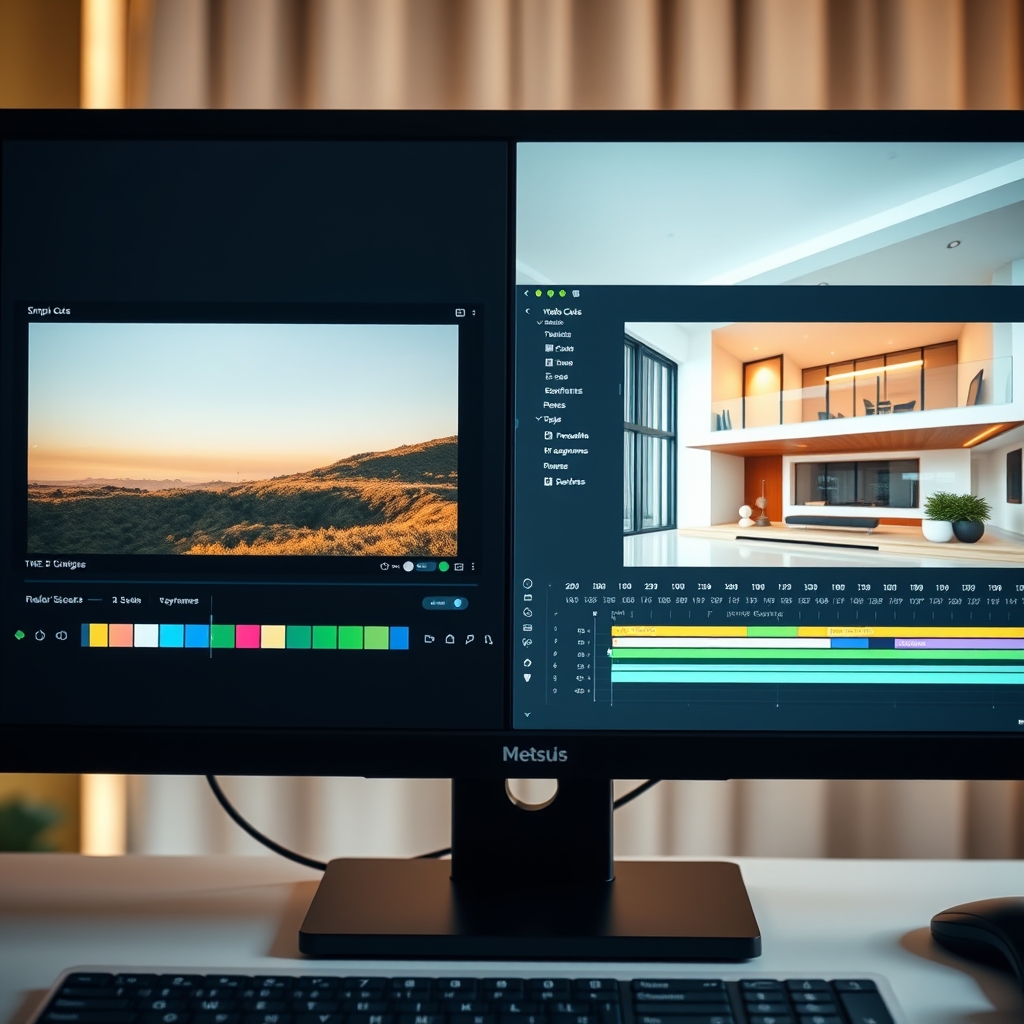
Every real estate videographer can shoot a house. But when it comes to real estate video editing, the gap between “good enough” and “great” is where listings are won or lost. A good edit follows the rules; a great edit understands the psychology of the buyer. Here’s what separates the two in video post-production.
The Foundation: Good Editing Gets the Basics Right
Good editing is competent. It trims the footage, places clips in a logical order, and delivers a watchable property tour. The shots are stable, the color is acceptable, and the final export meets technical specs. For many agents, this is sufficient. But “sufficient” doesn’t make a listing stand out in a crowded market.
Pacing and Rhythm
A good editor cuts on the beat of a music track and keeps the video moving. A great editor understands breath—when to let a spectacular view linger, when to accelerate through less impressive spaces, and how to build emotional momentum from the front door to the backyard. Pacing isn’t just about tempo; it’s about guiding the viewer’s attention without them noticing.
Color Correction vs. Color Grade
Good editors fix white balance and exposure. Great editors create a mood. They use selective grading to make the kitchen feel warm and inviting, keep the bathroom cool and clean, and ensure the exterior drone shots pop with vibrant blue skies. It’s the difference between a video that looks “recorded” and one that looks “cinematic.”
What Makes Editing Great? The Invisible Details
Great editing is invisible—the viewer feels the effect without knowing why. Here’s what separates it from merely good work:
Storytelling Over Sequence
A good edit shows the rooms. A great edit tells a story: morning light in the breakfast nook, flow from living to dining for entertaining, a private primary suite as a retreat. It’s not a checklist of rooms; it’s an experience of living there.
“Great editing doesn’t just show a house—it sells a lifestyle.”
Sound Design That Goes Beyond Music
Most editors drop in a royalty-free track. Great editors layer ambient sound: the subtle click of a door latch, the rustle of curtains, the soft echo of footsteps on hardwood. This adds realism and presence that music alone cannot achieve. It’s a hallmark of high-end video post-production.
Transitions That Serve the Space
Good editing uses crossfades or simple cuts. Great editing uses motivated transitions—a whip pan that matches camera movement, a match cut on a similar geometric shape, or a speed ramp through a hallway. These techniques are not gimmicks; they make the flow feel intentional and polished.
Selective Reframing and Stabilization
A good editor fixes shaky footage. A great editor subtly reframes shots to improve composition, corrects lens distortion, and uses motion tracking to keep the property’s key features perfectly centered. The result is a property tour that feels professionally shot, even if the raw footage wasn’t perfect.
Beyond the Timeline: Process and Partnership
The difference between good and great often lies in the workflow. A real estate videographer who shoots 10 properties a week doesn’t have time to obsess over every cut. That’s where outsourced video editing becomes a game-changer.
Working with a dedicated video editing partner means you get a production team that understands your brand, your agents’ expectations, and the local market. They don’t just deliver files—they deliver a consistent, high-quality product that frees you to focus on shooting and client relationships.
Great editing is not an accident. It’s a combination of technical skill, creative intuition, and a repeatable process. If you’re still editing your own videos late at night, you’re probably settling for “good” when you could be delivering “great.”
Ready to scale your video business?
We edit real estate videos so you can focus on shooting.
Start a Project →