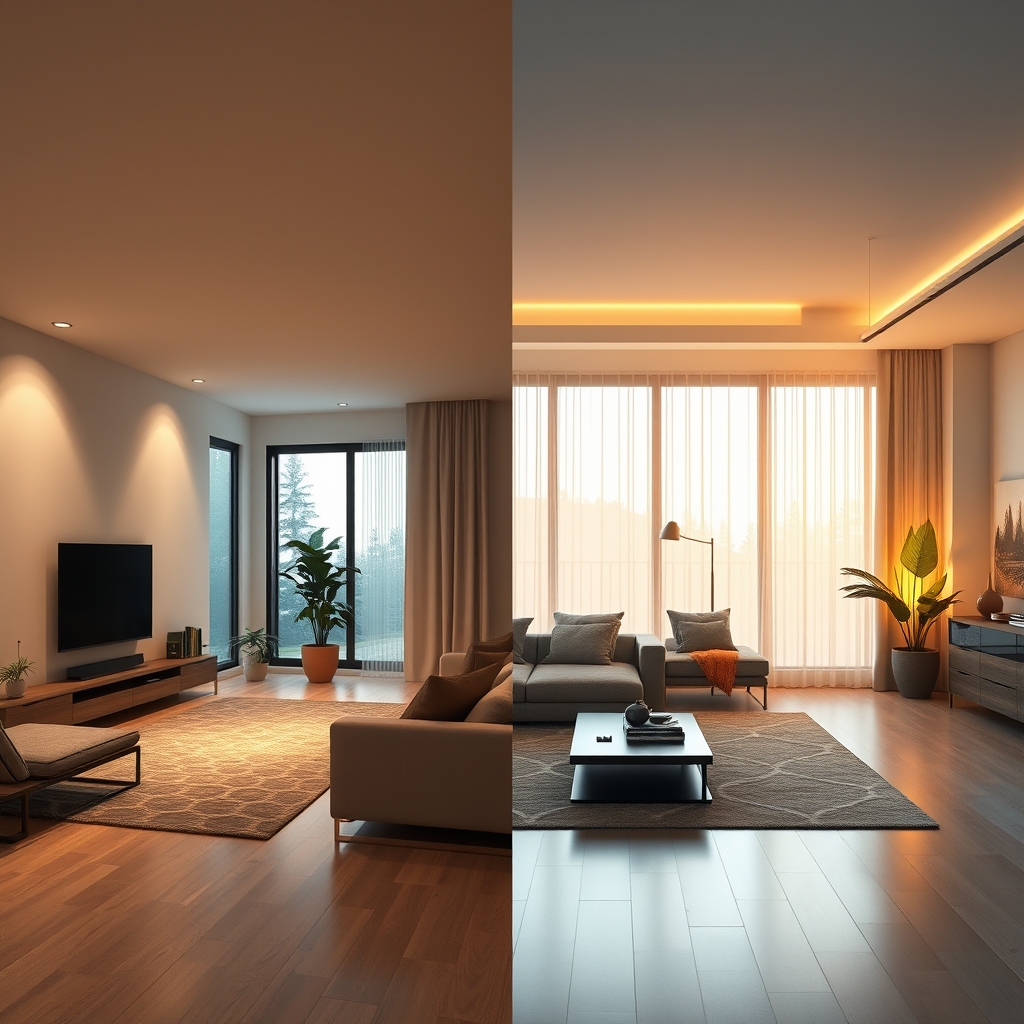
Every real estate videographer knows how to stitch clips together. But there’s a clear line between a good property tour and a great one. Good editing gets the job done. Great editing makes buyers stop scrolling, schedule a showing, and remember the home days later. The difference lies in deliberate choices about pacing, color, sound, and story—choices that separate professional real estate video editing from just assembling footage.
The Baseline: What Good Editing Looks Like
Good video post-production covers the essentials: removing unusable takes, stabilizing shaky shots, correcting exposure, and syncing audio. For a property tour, a good edit shows every room in logical order. It’s clean, watchable, and professional. But watchable isn’t always memorable.
What Elevates Editing from Good to Great
Great editing is intentional at every frame. Here are five specific upgrades that transform a standard tour into a cinematic experience.
1. Pacing That Matches the Property’s Personality
A good editor uses a consistent clip length. A great editor adjusts rhythm: slow, lingering shots for a luxury estate; brisk, energetic cuts for a compact urban condo. Pacing guides the viewer’s emotional response and highlights the home’s best features.
2. Color Grading That Sells the Lifestyle
Basic correction makes footage look natural. Great color grading creates mood—warm golden light for cozy interiors, cool crisp tones for modern architecture. The right grade makes even an empty room feel inviting, which is critical for real estate video editing that converts.
3. Sound Design That Pulls Viewers In
Music is standard, but great edits layer subtle ambient sounds: a soft breeze on the patio, the click of a light switch, the distant hum of a neighborhood. These details make the property tour feel lived-in and real, even before buyers visit.
4. Storytelling Through Sequence and Transitions
Good editors put rooms in order. Great editors build a narrative—starting with curb appeal, moving through gathering spaces, then retreating to private bedrooms. Transitions like match cuts and speed ramps keep momentum without distracting from the home.
5. Detail-Oriented Finishing: Graphics, Text, and Clean Cuts
Lower thirds, floor plan callouts, and brand colors add polish. A great editor ensures every frame is free of jump cuts, awkward pauses, or mismatched audio. This is where an experienced video editing partner earns their value.
Good editing makes a video watchable. Great editing makes a property unforgettable.
Why Most Videographers Struggle to Reach 'Great'
As a real estate videographer, your calendar fills up fast. Shooting multiple listings per week leaves little time for deep editing. Color grading, sound mixing, and story refinement take hours—hours that could be spent booking more clients. The gap between good and great is often a matter of capacity, not talent.
The Outsourcing Advantage: Partnering with a Specialized Team
This is where outsourced video editing changes the game. A dedicated video editing partner that specializes in real estate understands the nuances of property tours and the expectations of agents. Your production team can focus on filming while editors handle the meticulous post work. The result: faster turnaround, consistent quality, and more listings delivered at a 'great' standard without burnout.
Final Thoughts
The difference between good and great real estate video editing is not about expensive software or fancy effects. It’s about intentional choices that respect the viewer’s time and the property’s unique character. If you want to deliver great videos on every single listing, consider partnering with a team that lives and breathes video post-production for real estate.
Ready to scale your video business?
We edit real estate videos so you can focus on shooting.
Start a Project →