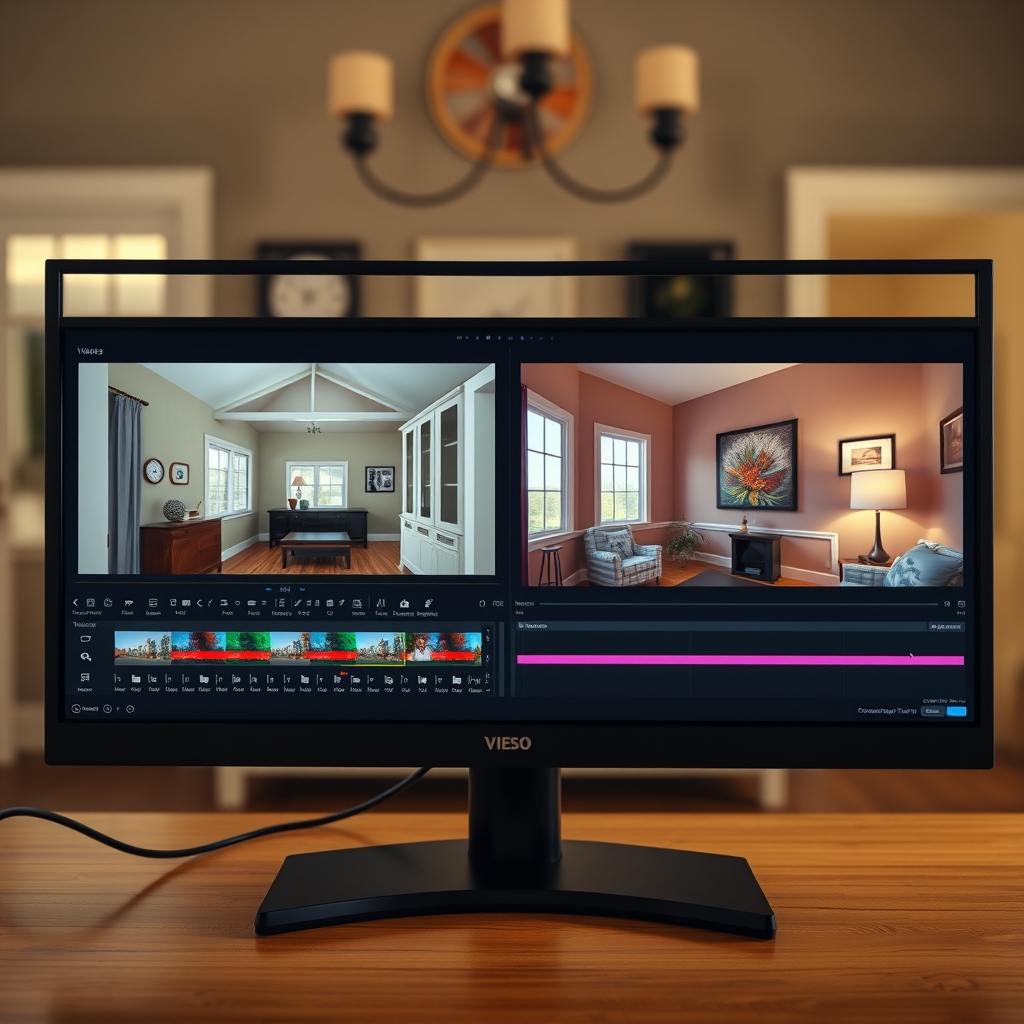
Good real estate video editing makes a listing look presentable. Great editing makes viewers feel the lifestyle and urgency to book a showing. For real estate videographers and production teams, the gap between good and great often comes down to subtle decisions in video post-production. Below we break down what separates a decent property tour from a truly compelling one.
The Invisible Art of Pacing
Good real estate video editing keeps every room in the frame and cuts to the music. Great editing treats a property tour as a story, not a checklist. A great editor will trim unnecessary seconds, hold on the hero shot just long enough to let it breathe, and build momentum toward the final call to action. They remove redundant pans and repetitive angles, even if the footage is technically clean. The result is a tighter tour that respects the viewer’s time and drives booking inquiries.
“Good editing shows the property. Great editing sells the feeling of living there.”
Color Grading: From Accurate to Atmospheric
Good color correction balances exposure and white balance. Great color grading creates a consistent mood across every clip in your video post-production pipeline. A skilled real estate videographer knows that wall colors must stay true, but great editors also enhance natural light, deepen shadows for dimension, and unify shots taken at different times of day. Overly saturated or flat footage is a common giveaway of amateur work. A professional video editing partner knows how to make a home look bright and inviting without crossing into unrealistic territory.
- Neutral white balance in every room
- Consistent exposure across interior and exterior shots
- Subtle vibrance boost for outdoor spaces
- No crushed blacks or blown-out highlights
Sound Design: The Hidden Persuader
Most real estate videographers focus on visuals, but sound can make or break perceived quality. Good editing might simply drop in a music track. Great editing layers subtle ambient audio, foley, or voice-over pacing. A production team that uses outsourced video editing gains access to licensed music libraries and sound design that elevates the property tour without distracting from the home itself. Ducking music under important moments and using risers for transitions are hallmarks of a polished final cut.
Motion & Transitions: Purpose Over Flash
Good editors use basic cuts and a couple of speed ramps. Great editors use motion to guide the eye, not show off. Whip pans, match cuts, and subtle zooms should be motivated by the architecture or the flow of the property tour. Random swooshes and aggressive speed ramps scream “template.” Great outsourced video editing services understand when to let a beautiful shot breathe.
- Match on action between rooms
- Speed ramps that emphasize space, not chaos
- Gentle push-ins on key selling features
- No gimmicky transitions unless requested by the client
Storytelling: Every Home Has a Hook
The biggest difference between good and great is that great editors find a story. Maybe it’s the chef’s kitchen, the backyard pool, or the morning light in the primary suite. A great video editing partner will structure the property tour around that hook, not just follow the floor plan. This requires editorial judgment—exactly what a production team should expect from a premium real estate video editing service.
How to Spot a Great Editor
- They send a cut that makes you think, “I didn’t consider that angle.”
- They ask about the target buyer before editing.
- They deliver consistent color and audio mix every time.
- They respect your brand guidelines and turn around quickly.
Ready to scale your video business?
We edit real estate videos so you can focus on shooting.
Start a Project →