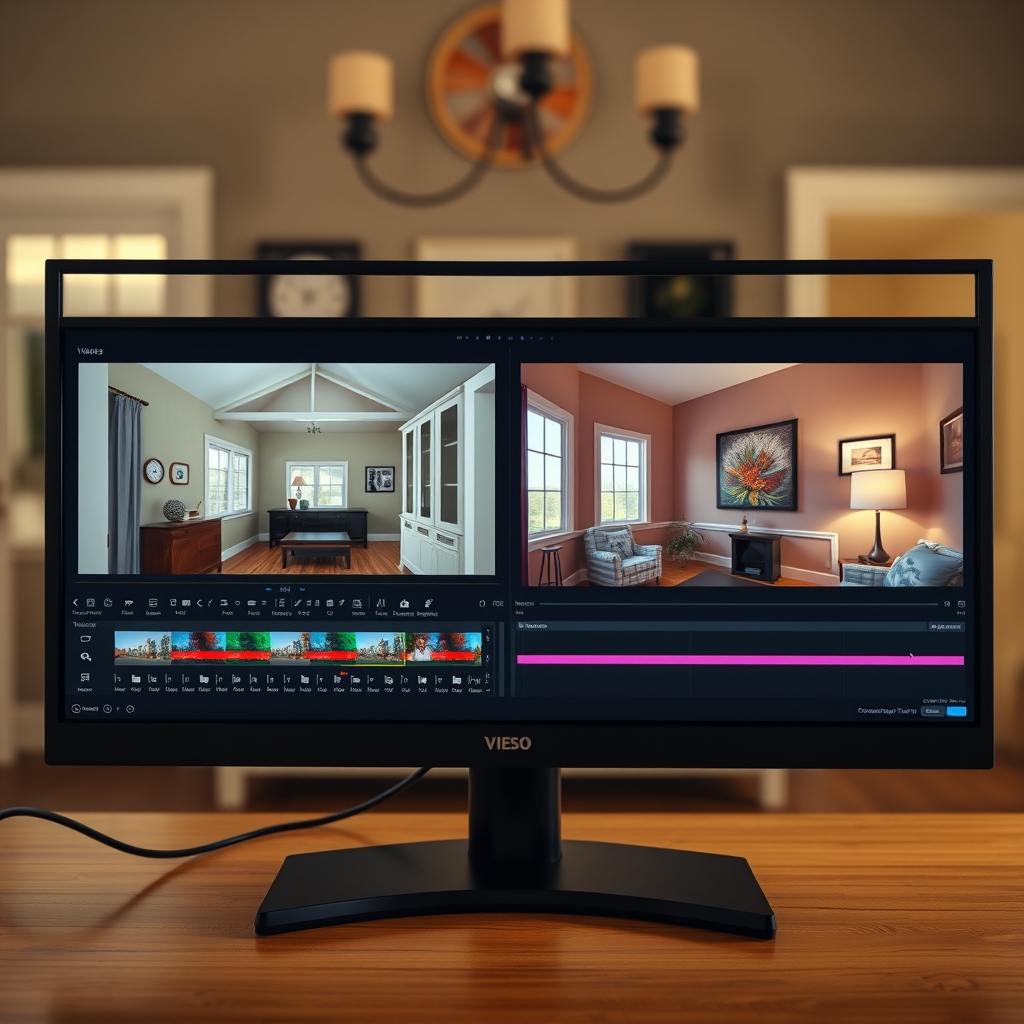
As a real estate videographer, you know that capturing the footage is only half the battle. The difference between a property tour that simply lists rooms and one that makes buyers feel at home often comes down to the edit. Good real estate video editing gets the job done—clips in order, exposure corrected, music added. Great editing, on the other hand, creates an emotional experience that draws viewers into the lifestyle. Here’s what separates the two.
1. Color Grading: Correction vs. Creation
Good editing fixes white balance and brightens dark rooms. Great editing uses color grading as a storytelling tool. A skilled video post-production partner will match shots across different lighting conditions, enhance the warmth of natural light, and create a consistent, cinematic look that makes every space feel inviting. It’s the difference between a video that looks 'acceptable' and one that looks like a high-end commercial.
2. Pacing and Rhythm: Sequence vs. Story
Good editors arrange clips logically: exterior, living room, kitchen, bedrooms. Great editors think like film editors. They cut on the beat of the music, use shorter shots to build excitement, and hold longer on breathtaking features like a view or a custom fireplace. This rhythm keeps viewers engaged and makes the property tour feel effortless rather than mechanical.
3. Transitions and Motion Graphics: Functional vs. Fluid
Good editing uses basic cuts and fades. Great editing employs seamless transitions—like whip pans, match cuts, or subtle speed ramps—that guide the eye from one space to the next. Motion graphics, such as floor plan overlays or neighborhood maps, are integrated tastefully to add value rather than distract. The goal is a smooth, immersive video post-production experience.
4. Audio Mixing: Audible vs. Atmospheric
Good editing ensures the music isn’t too loud and the voiceover is clear. Great editing balances music, ambient room tone, and narration to create depth. A professional production team will choose music that matches the property’s vibe—soft piano for a cozy cottage, upbeat electronic for a modern loft—and mix it so it enhances without overpowering.
5. Attention to Detail: Errors vs. Excellence
Good editing removes obvious mistakes like camera shakes or dead air. Great editing goes further: stabilizing handheld footage, removing unwanted reflections or clutter, and even adding subtle lens corrections. These micro-improvements may go unnoticed individually, but together they elevate the video from 'shot by an amateur' to 'produced by a real estate videographer with a keen eye.'
6. Consistency and Branding: One-Off vs. Signature Style
Good editing meets the client’s basic requirements. Great editing becomes a signature. Whether you’re a solo shooter or part of a production team, outsourcing your video editing to a dedicated partner ensures every property tour you deliver has the same polished look, pacing, and branding. This consistency builds trust with agents and helps you command higher rates.
The gap between good and great is not about fancy equipment—it’s about the care, creativity, and technical skill applied in post-production. As a real estate videographer, your time is best spent shooting. Partnering with an outsourced video editing service lets you scale without sacrificing quality. When every frame is engineered to sell a lifestyle, buyers can’t help but imagine themselves living there.
Ready to scale your video business?
We edit real estate videos so you can focus on shooting.
Start a Project →