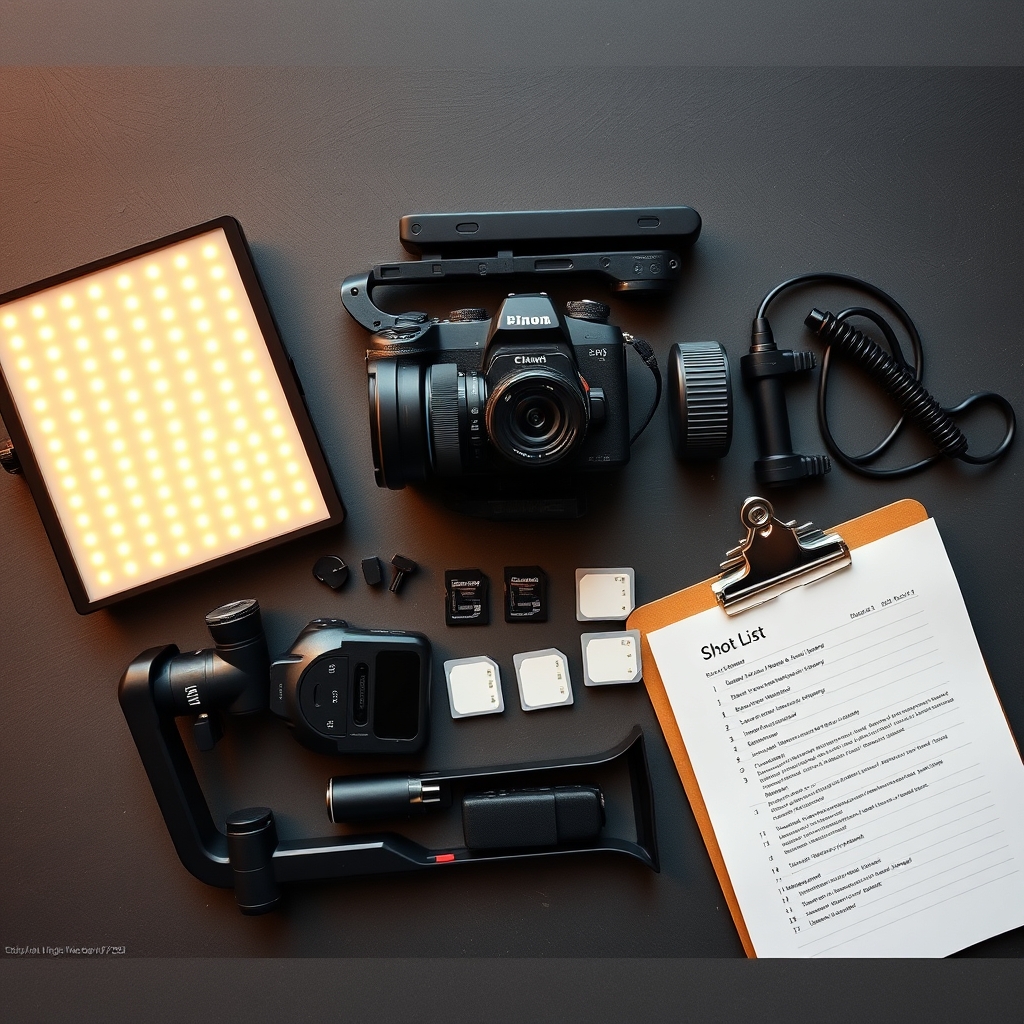
As a real estate videographer, your gear directly influences the quality of every property tour you deliver. In 2026, the right equipment can mean faster setups, sharper footage, and happier clients. But gear is only half the equation—pairing your field kit with a reliable video editing partner can turn raw clips into polished listings without burning out your calendar.
The Core Camera Setup for Property Tours
Your camera is the foundation of every shoot. For modern real estate work, you need a body that performs well in mixed lighting and captures wide interiors without distortion.
Full-Frame Mirrorless Cameras
Cameras like the Sony A7 IV, Canon R6 Mark II, or Panasonic S5 IIX are the go-to choices for many real estate videographers in 2026. They offer 10-bit internal recording, excellent low-light performance, and autofocus that keeps walkthroughs sharp.
Lens Choices for Wide Interiors
Pair your body with a fast wide-angle zoom, such as a 16-35mm f/2.8 or a 14-24mm f/2.8. For smaller rooms, a prime like a 14mm f/1.8 can save the shoot. Avoid fisheye distortion that makes rooms look unnatural—your video editing partner will thank you for clean, professional source footage.
Stabilization & Movement
Smooth movement is non-negotiable in a property tour. Shaky handheld footage can ruin an otherwise perfect listing.
Gimbals and Sliders
A 3-axis gimbal—like the DJI RS 4 or Zhiyun Crane 4—keeps your walkthrough fluid when moving from room to room. For slow reveal shots, a compact motorized slider adds cinematic polish. Many production teams run both gimbal and slider on every shoot to give editors more options in video post-production.
Lighting for Real Estate Interiors
Natural light is ideal, but you can’t always rely on it. A compact LED panel or bi-color tube light can lift shadows in dark hallways or basements. Look for lights with high CRI (95+) to keep color grading accurate. A small portable light is often enough—heavy studio setups slow down a real estate videographer on location.
Audio & Extra Essentials
- Wireless lavalier microphone for agent voiceovers or on-camera intros.
- Extra batteries and fast memory cards—shooting 4K 60p eats storage quickly.
- ND filters for controlling window light and keeping shutter speed at 180 degrees.
- Tablet or phone with a shot list app to stay organized across multiple properties.
Pro tip: Always shoot a few seconds of room tone and a color chart at the start of each property. Your outsourced video editing team will use these to match shots and remove noise faster.
Don't Forget Video Post-Production
Even the best gear can’t fix a rushed edit. Many real estate videographers now outsource video editing to a dedicated video editing partner so they can book more shoots. A skilled production team handles color grading, speed ramps, transitions, and even social media cutdowns—freeing you to focus on capturing the next property tour.
When you choose outsourced video editing, look for a service that understands real estate video editing specifically: consistent exposure, straight verticals, and quick turnaround for listing deadlines.
Final Thoughts
Your 2026 gear kit should be lean but capable: a full-frame mirrorless camera, wide zoom lens, gimbal, compact lighting, and reliable audio. Pair that with a trusted video editing partner, and you can scale your real estate videography business without sacrificing quality or sleep.
Ready to scale your video business?
We edit real estate videos so you can focus on shooting.
Start a Project →